
"Ethiopian natural"
3000 article(s) found

Introduction to the export situation of Ethiopian coffee varieties and flavor description
The coffee market regulatory body in Ethiopia is the Ethiopian Coffee and Tea products Administration. There are two auction centers in the country, one in the capital Addis Ababa (Addis Ababa) and the other in Dire Dawa in eastern Ethiopia. Coffee growers bring fresh fruit or to private coffee processing plants or cooperative coffee washing stations

Ethiopian ancient jihambela coffee is Ethiopian Humbela coffee good?
Professional coffee knowledge exchange more coffee bean information please follow the coffee workshop (Wechat official account cafe_style) Humbera ALAKA LOT, Ethiopia-organic Ethiopian Humbera real estate Alaca lot-natural processes, organic aromas including watermelon, flower, peach and sticky END

Ethiopian Coffee Manor Culture introduces Flavor
Coffee Culture Coffee beans in Ethiopia grow in close to the natural environment. After years of planting under the same growth conditions, Ethiopian coffee beans have gradually adapted to the environment here. More than 60% of coffee beans are grown in forests or semi-forests. Large-scale coffee-growing villages account for about 35% of the country's total coffee production.
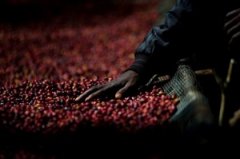
The hometown of African coffee Ethiopian boutique coffee beans
Ethiopia Coffee producing area: the full name of the Federal Democratic Republic of Ethiopia (formerly known as Abyssinia) is a country located in northeast Africa. English name: The Federal Democratic Republic of Ethiopia, Ethiopia is the country of origin and hometown of coffee. The most famous coffee beans in Ethiopia are Yega Xuefei and Harald.

Ethiopian Sidamomo Lion King Coffee Flavor description method Variety characteristics taste producing area
Ethiopian Sidamomo Lion King Coffee Flavor description method Variety characteristics taste production region introduced in 2010 and 2012 continuously won the high rating of 92 and 94 points on the authoritative coffee review website Coffee Review in the United States. The producing area belongs to volcanic soil with rich nutrients and good drainage. These fertile nutrients are maintained by the degradation of natural organic matter. This batch

Is the coffee in the minority producing areas of Ethiopia good?
Professional coffee knowledge exchange more coffee bean information please follow the coffee workshop (Wechat official account cafe_style) Ethiopian DJIMMAH Coffee Djimmah Coffee grows in the Illubabor and Kaffa areas at 4400 to 6000 feet above sea level and is an excellent low-acid Ethiopian coffee when it is wet-processed (washed). When Djimah is naturally dried; however,

Introduction to the unique flavor and taste of Ethiopian coffee manor
China Coffee Network Ethiopia's coffee market management agency is the Ethiopian Coffee and Tea products Administration. There are two auction centers in the country, one in the capital Addis Ababa (Addis Ababa) and the other in Dire Dawa in eastern Ethiopia. Coffee growers bring fresh fruit or to private coffee processing plants or cooperative systems

Introduction to the roasting degree of Yega Sheffivoka Coffee in Ethiopia
The coffee market regulatory body in Ethiopia is the Ethiopian Coffee and Tea products Administration. There are two auction centers in the country, one in the capital Addis Ababa (Addis Ababa) and the other in Dire Dawa in eastern Ethiopia. Coffee growers bring fresh fruit or to private coffee processing plants or cooperative coffee washing stations

Four major cultivation systems of Ethiopian coffee analyze in detail how Ethiopian coffee is cultivated.
Forest coffee (Forest Coffee): wild coffee, which accounts for 10% of Ethiopia's national output, is distributed in the wild coffee forest areas of the west and southwest, also known as the Kafa forest. The dense trees here provide the most natural shade for coffee trees and do not need manual care. Mother Earth is in charge of birth, aging, sickness and death, and coffee farmers can go directly to the woodland to harvest. Hansen

I've heard of Panamanian red wine treatment, but have you ever heard of Ethiopian red wine treatment?
Professional coffee knowledge exchange more coffee bean information Please follow the coffee workshop (Wechat official account cafe_style) for many coffee lovers, Ethiopian coffee is simply an incentive to enter the pit, but the coffee produced here is basically washed or tanned, and honey treatment is rare.

Introduction to the treatment methods of Grinding degree of varieties for describing the Flavor of Coffee Manor in Ethiopia
Small shareholders in Ethiopian coffee farms have been producing all kinds of high-quality coffee. The secret to producing high quality coffee is that coffee growers have developed a coffee culture in a suitable environment through generations of repeated learning about the coffee growing process, which mainly includes farming methods using natural fertilizers, picking the reddest and fully ripe fruits and

Flavor description of Ethiopian Sidamo Coffee Variety introduction to Regional treatment of Manor production
Ethiopian Sidamo Coffee Flavor describes the taste of Ethiopian coffee grown in close to the natural environment, after years of planting under the same growth conditions, Ethiopian coffee beans have gradually adapted to the environment here. More than 60% of coffee beans are grown in forests or semi-forests. Coffee growers on a large scale

Description of Flavor and Taste of Coffee Variety in Ethiopia Coffee Manor
Ethiopia is an ancient country with a history of 3000 years of civilization. The Hamite people who immigrated from the southern Arabian Peninsula were the earliest inhabitants. Monlinique I reigned in 975 BC. The Kingdom of Nubia was established in the 8th century BC. From the 1st century to 976 AD, the Ethiopian Empire, also known as the Kingdom of Aksum, was established in Aksum in the north. Christianity was introduced into Ethiopia in the 4th and 5th centuries.

Introduction of Ethiopian Coffee Flavor and Fine Coffee
Ethiopian coffee beans grow in close to the natural environment, after years of planting under the same growth conditions, Ethiopian coffee beans have gradually adapted to the environment here. More than 60% of coffee beans are grown in forests or semi-forests. Large-scale coffee-growing villages account for about 35% of the country's total coffee production. Many of these are used.

Introduction to the growing environment of Ethiopian coffee
Ethiopian coffee beans grow in close to the natural environment, after years of planting under the same growth conditions, Ethiopian coffee beans have gradually adapted to the environment here. More than 60% of coffee beans are grown in forests or semi-forests. Large-scale coffee-growing villages account for about 35% of the country's total coffee production. Many of these are used.

Introduction to the manor in the flavor and taste area of Ethiopian boutique coffee beans
Ethiopian coffee beans grow in close to the natural environment, after years of planting under the same growth conditions, Ethiopian coffee beans have gradually adapted to the environment here. More than 60% of coffee beans are grown in forests or semi-forests. Large-scale coffee-growing villages account for about 35% of the country's total coffee production. Many of these are used.

Special report on Ethiopian Sun-dried Guji Coffee | Coffee with lychee flavor
Professional coffee knowledge exchange more coffee bean information please follow the coffee workshop (Wechat official account cafe_style) GUJI NATURAL sunburn Guji country: Ethiopia: Guji altitude: 1800-2100 m treatment: sun treatment varieties: local native species Guji GUJI Guji producing area is a popular producing area in recent years, in the past few years in the flavor display and quality

World boutique Coffee Manor: KEFFA region of Ethiopia-an introduction to the birthplace of coffee
The birthplace of Ethiopian KEFFA- coffee reprinted 2015-06-21 13:37:13 label: Ethiopian coffee beans are located in East Africa Ethiopia in ancient Greek means the land inhabited by sun-tanned people. Ethiopia's unique cultural tradition, spectacular scenery, pleasant climate, rich animal and plant resources, important places of interest, hospitality and friendly people

Ethiopian coffee is a coffee bean.
Origin: The Federal Democratic Republic of Ethiopia (formerly Abyssinia) is a country located in northeast Africa. The Federal Democratic Republic of Ethiopia, Ethiopia is the country of origin of coffee and the hometown of coffee. The most famous Ethiopian coffee beans are: Yega Shefi, Harald, Sidama Mocha Coffee

Ethiopian Coffee Fine Coffee Bean Origin Cochel / Haloba / Shaquiso / Bita Village
Professional coffee knowledge exchange more coffee bean information please follow the coffee workshop (Wechat official account cafe_style) Ethiopian coffee boutique coffee bean origin Cochel / Haloba / Shaquiso / Bita Manor flavor and taste characteristics? The birthplace of coffee is Ethiopia in the pigeon garden belt of East Africa. I accidentally pulled a very classic coffee when I went to the coffee fair.